

Business Coaching with Kenneth
Leadership | Marketing | Sales | Products | Management | Cash Flow | Startup | Scaling | Selling
Grow Your Business with a Proven System
These are the 6-steps to starting, scaling, and even selling your company successfully...
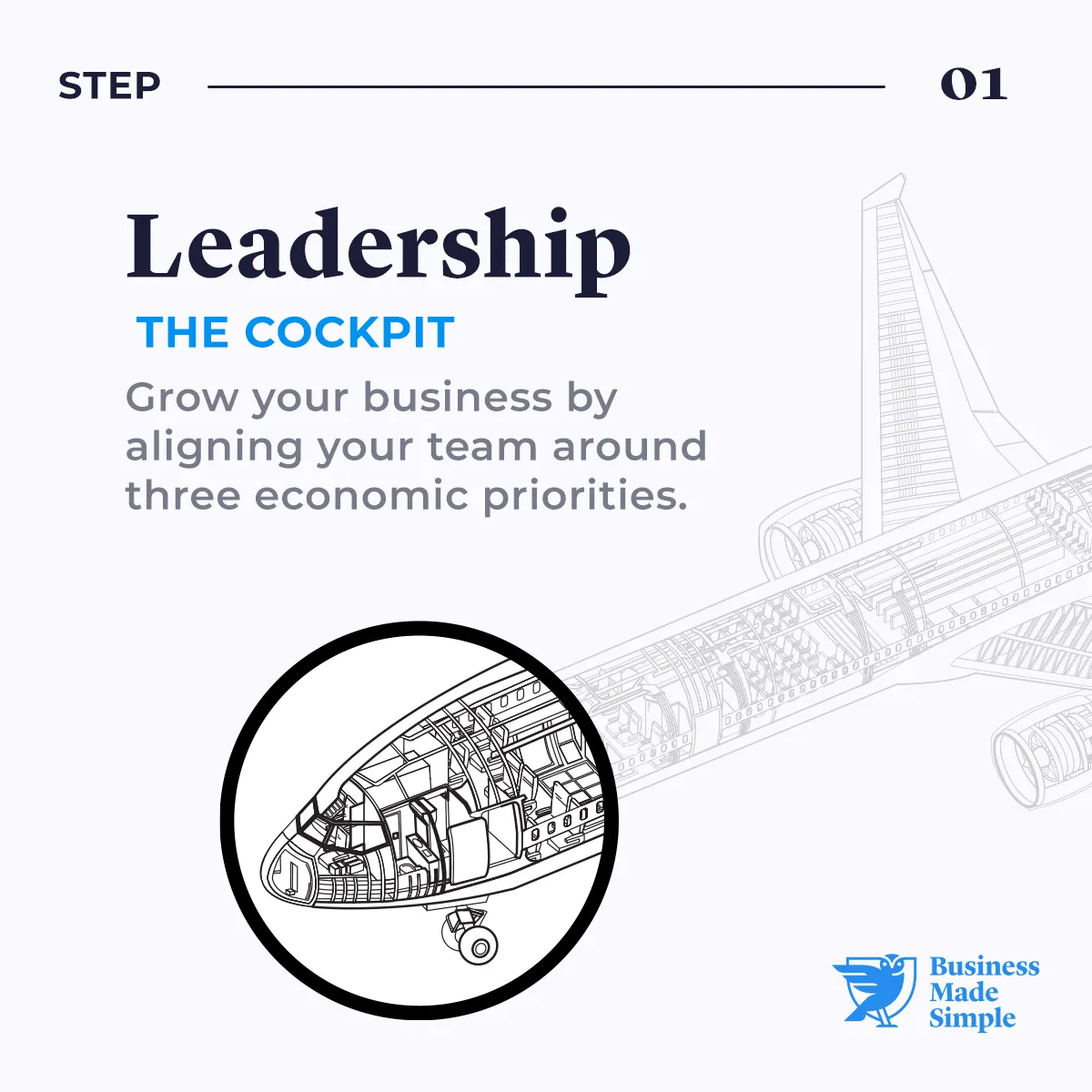
Step 1: Leadership
Guiding Principles:
A Mission Statement to align your team around three economic priorities that drive revenue, profit, and growth. A list of Key Characteristics that act as the aspirational identities you and your team need to live into in order to accomplish your mission. Three Critical Actions that you and every member of your team can perform each day to move yourselves closer to the mission itself. Three Core Values that defines your companies unique cultural advantage.
Negotiation:
Embrace the two main types of negotiation. Learn how to pivot from one type of negotiation to another. Understand why and how you should always make the first move. Learn how to manage and employ tactics. When to go "below the line". How to deliver satisfaction to create more win-win opportunities.
Communication:
You’ll learn how to give a great speech, outline a script for a video, write an email, create social media posts, and develop a press release that invites others to understand and respond to whatever story you are inviting them into. You will know how to be understood, how to be interesting, and how to have a great deal of influence.
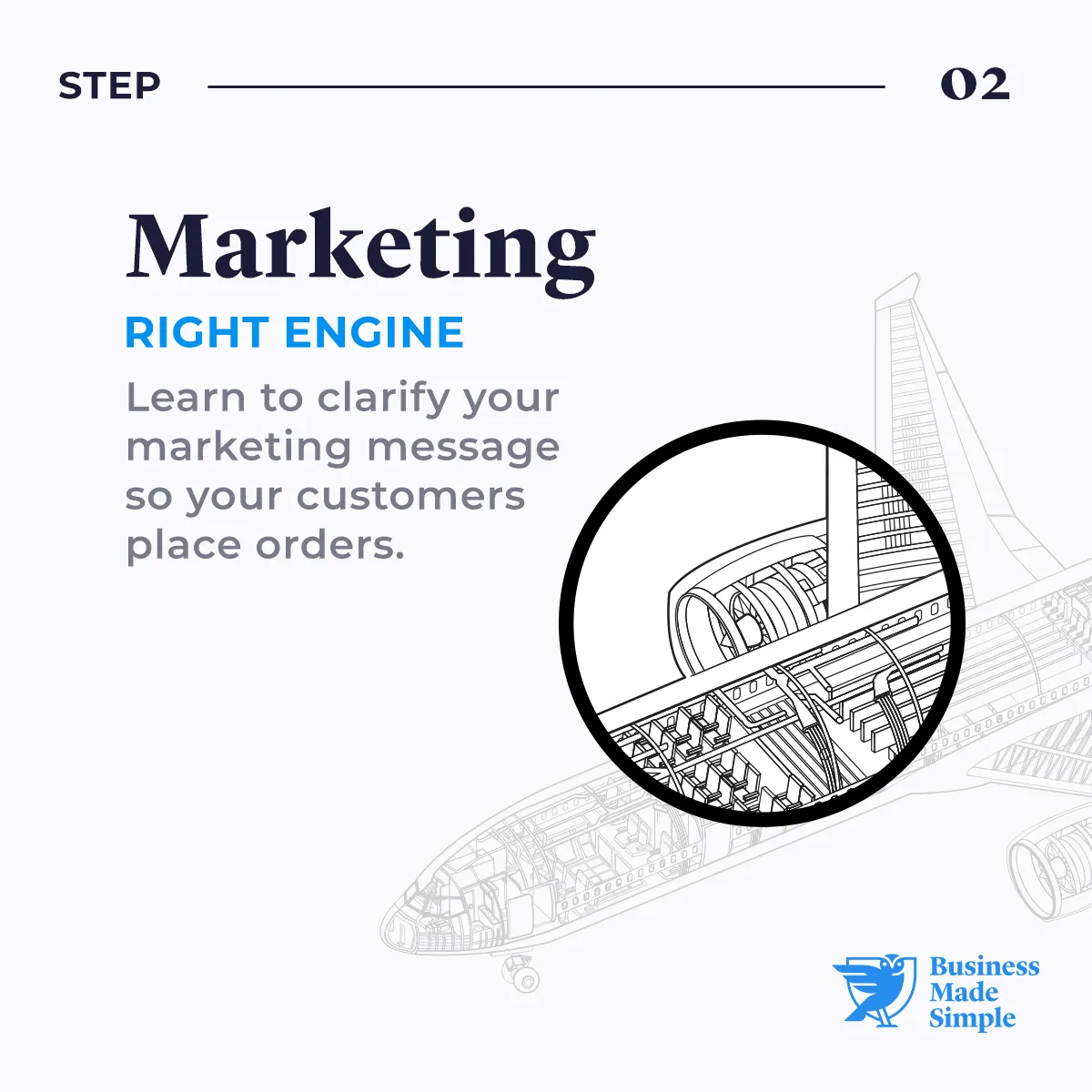
Step 2: Marketing
StoryBrand:
The StoryBrand 7-Part Framework uses ancient storytelling principles to help you clarify your message. Once you learn the framework, you’ll be seen, heard, and understood, both in your company’s internal and external communication. In addition, StoryBrand's Five Soundbites grow your business by helping you create a messaging campaign playbook that puts your soundbites to work in all of your marketing collateral.
Leads:
New clients are like the lifeblood of any business...but those only come from quality leads. Learn how to create worthwhile lead magnets that your target audience will be attracted to. Know how to nurture, qualify, and convert those leads into opportunities for legitimate sales for your company.
Conversations:
Just "winging it" isn't a recipe for stress-free business growth. Applying the StoryBrand Framework and the StoryBrand Five Soundbites to your everyday conversations will help you and your company maximize your time at networking events, sales calls, and client meetings. You'll capitalize on more opportunities to convert warm leads, customer referrals, and cold-contacts.
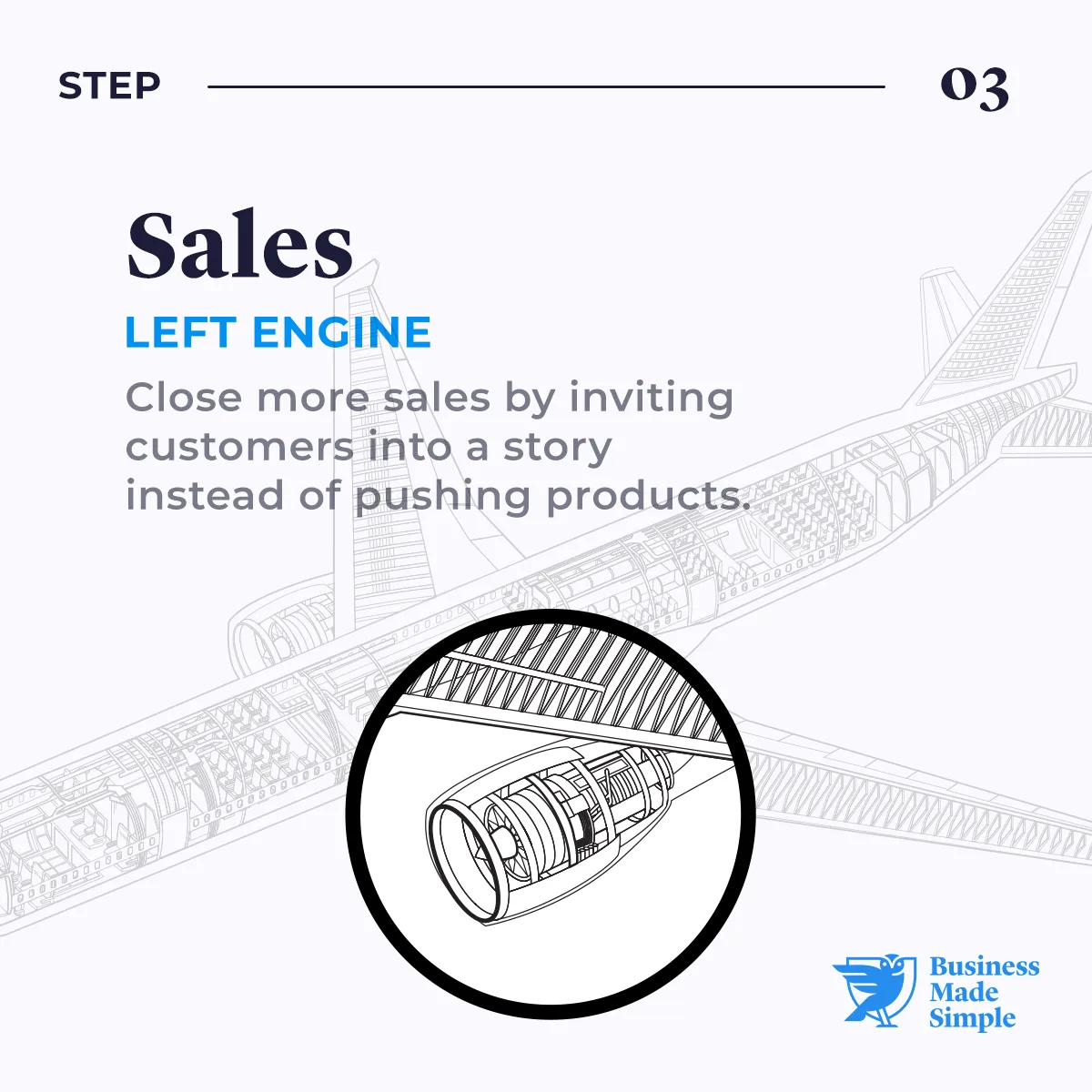
Step 3: Sales
SalesScript:
Learn how to engage in sales conversations that feel natural and kind. Know how to position yourself as a helpful guide in your customer’s life. Embrace the art of earning respect and admiration from the customers you engage with. Close more sales without feeling like you "sold" anything.
Funnel:
No matter the size of your business, creating a sales funnel is the easiest way to grow. Get a playbook to generate leads and sales that includes your one-liner, website, lead generator, nurture campaigns, sales campaigns, and much more. No matter what you sell or who you sell to, a sales funnel with this playbook will work for your company.
Proposals:
If you aren’t sending proposals for your business – you should be. With this formula, your sales cycle will shrink, your sales people will be more confident, and ultimately, your revenue will grow. You’ll have a complete proposal template that will communicate the value you offer, position yourself as the Guide, drive your customers to take action, and help you stand out from the competition.
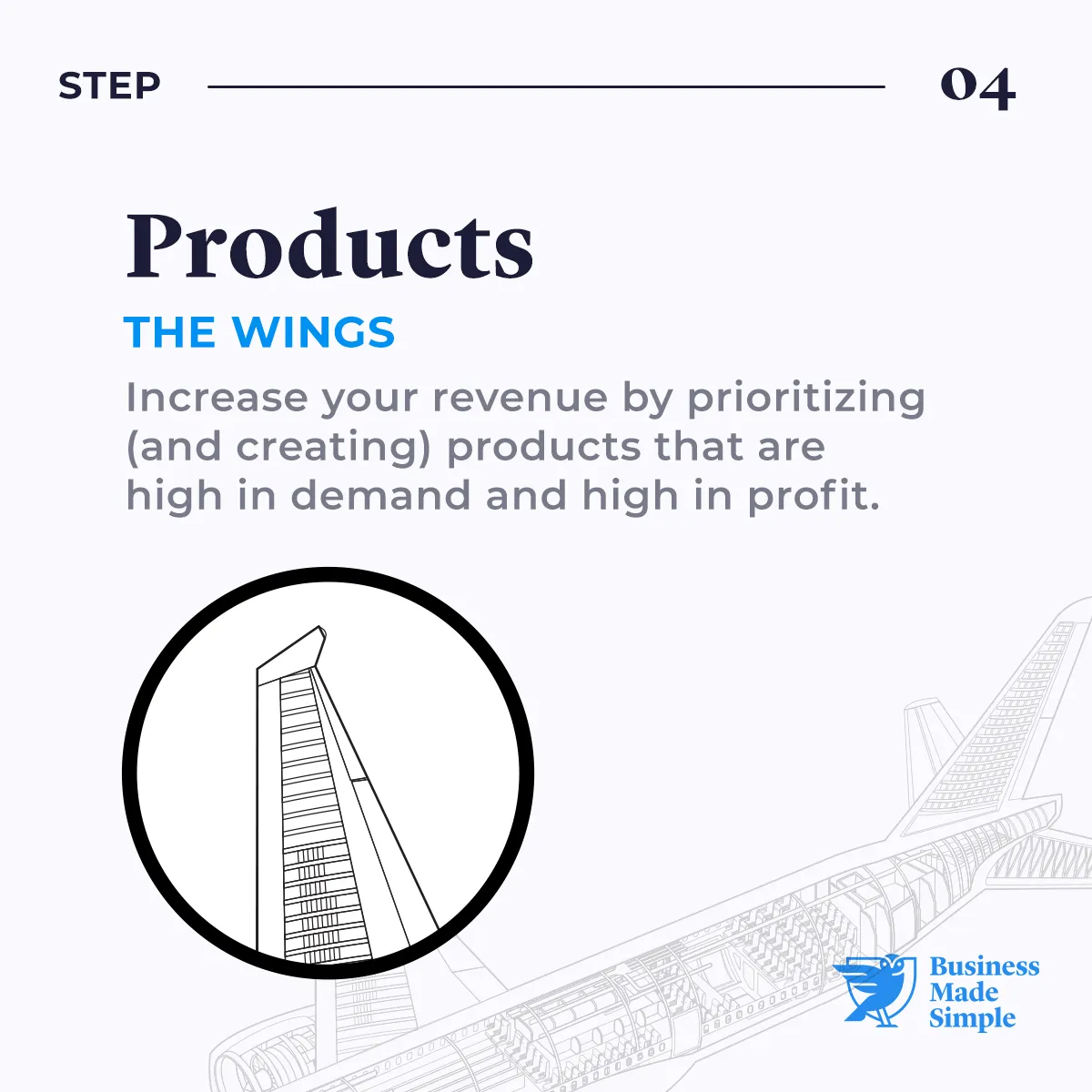
Step 4: Products
Menu:
Instead of offering vague concepts that just confuse your customer, you’ll learn how to offer specific products that immediately attract your customer with clarity. When clients know exactly what they’re getting, what problem it solves, and how much it costs, they will be much more likely to do business with you.
Ladder:
Not every product is created equal. In fact, many clients would happily pay you more if you had a "more" type of offer. In order to have different levels of clients – you must establish different levels of offers. Learn how to scale your product offering, serve clients on a deeper level, and generate more revenue for your business.
Optimization:
Every dollar you make comes from selling a product, and yet we often overlook the importance of regularly reviewing and updating our product offering. Learn how to annually examine your product offering, so you can allocate your marketing and sales energy to the RIGHT products that actually produce the most revenue. While also learning how to create and sell new products that do the same thing.
Step 5: Management
People:
"If you want to go fast, go alone; If you want to go far, go together." We love the "go far" part...but sometimes we're not so sure how to do the "go together" piece of the equation. Learn how to lead and manage people within your organization in a way that honors them as real people while still needing real work to be done and real progress to be made.
Systems:
Every business needs a repeatable system that ensures everybody knows what the primary objectives of the business are, what their department’s responsibilities are to contribute to those objectives, what their personal responsibilities are through clear assignments with deadlines, and that everybody is getting consistent feedback on how they are doing. This is a real management system that allows business growth to flourish.
Meetings:
Learn how to run your business using only five meetings. Replace organized chaos with a routine set
of meetings that will take place at the same time on the same days each week. Meetings for your leadership, departments, teams, and individuals that keeps everyone aligned to the overall mission of the company.
Step 6: Cash Flow
Accounts:
Cash is the fuel that allows you to operate your business. Use five checking accounts to manage the finances of your company. Use an Operating Account, Personal Checking Account, Tax Account, Business Profit Account, and Investment Holding Account to organize your money in a way that keeps you in the positive.
Thresholds:
Every company has bills, payroll, tax payments, and more that cause the accounts to fluctuate. Likewise, every business has income from invoices, in-person payments, online orders, and more that also cause the account balances to move. Learn how to set your account thresholds, so you're never out of money when you need it – and always maximizing your money when you don't need it.
Assets & Liabilities:
Understanding what to do with the money that "isn't needed" at the moment can be tricky. Knowing how to see opportunities to invest wisely is key. Learning how to avoid getting trapped into liabilities and how to mitigate the risk your take on with necessary liabilities is also crucial to the stability of your personal and business fiscal health.
Meet Your Coach: Kenneth Kollasch


© 2026 Kenneth Coaches L.L.C.
Privacy Policy | Cookie Policy | Return & Refund Policy | Shipping Policy | Acceptable Use Policy | Terms, & Conditions | EULA | Disclaimer